
Starting Point
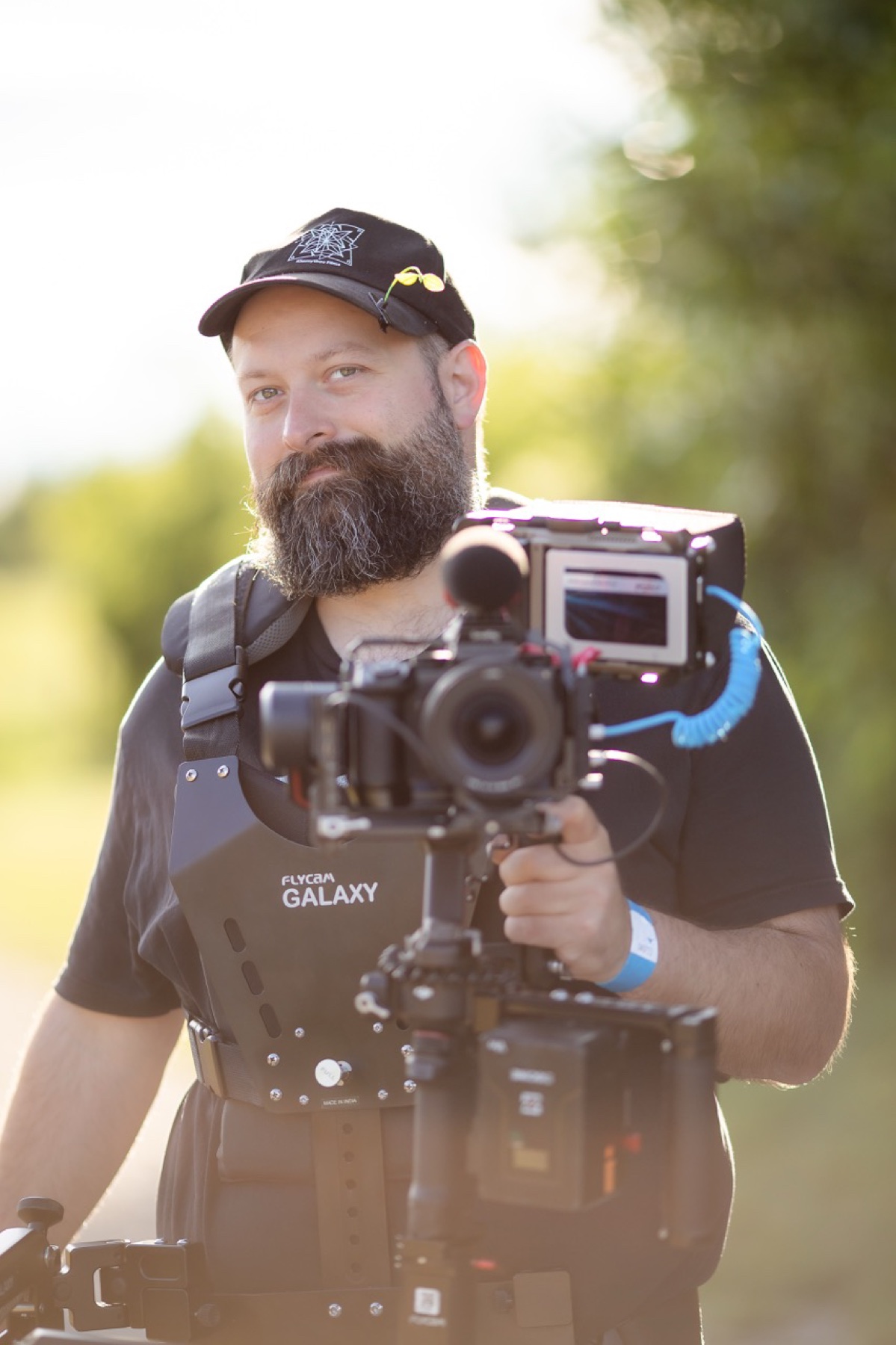
When I first started filming people, my attention was split between the technical work and the awkwardness of pointing a lens at another person.
I would raise the camera, check the frame, adjust my footing, think about focus, and wonder whether I was standing too close.
People read social signals before they have time to think through them. Vision feeds faces, posture, distance, movement, rhythm, and eye contact into the emotional parts of the brain quickly. The nervous system starts deciding whether to relax, brace, open, or pull away before the person has fully analyzed what is happening.
If I looked unsure, they could feel it. My awkwardness became a social cue. It told them there was something awkward happening, and their body responded.
That is the mechanism behind what people call vibes. Bodies read each other faster than language. They respond before anyone has explained anything. The vibe is the felt result of that exchange.
Becoming An Event Filmmaker
There are different ways to operate as a filmmaker.
One mode is the neutral observer. You stay back, watch carefully, and record what happens with as little influence as possible. This is often the first instinct of photographers and videographers, especially when filming people feels socially uncomfortable. It keeps you from interrupting the moment, but it also leaves you at the mercy of whatever reality gives you.
Event filmmaking requires something more because the desired reality is already social. The goal is for people to have a good time, feel free, enjoy themselves, connect, and express. That is what the event exists to create.
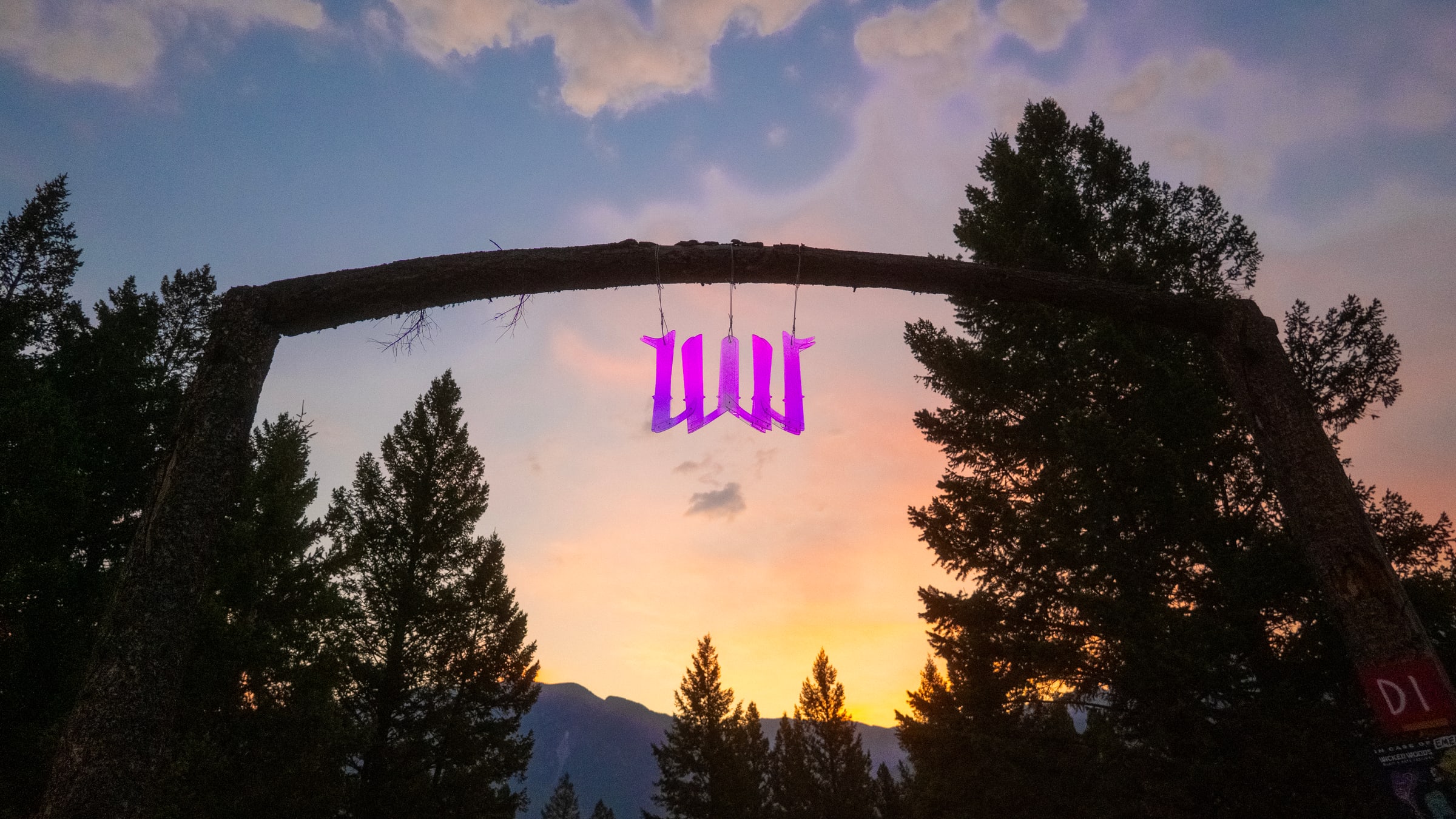
So marketing for events is simple. Show people what it feels like to be there.
Emotional Proof
If people are looking for a good time, show them people having a good time. If they are looking for connection, show connection. If they are looking for freedom, show people expressing themselves without self-consciousness.
This is why video sells way more event tickets than any other form of media.
The animated poster, the graphic design, the perfect caption, the seamless edit, they can provide information. They cannot provide emotional proof of what we are truly seeking. Most of us move through public life guarded, cut off from the people around us, managing anxiety, attention, and distance. Yet underneath that, we long for connection deeply. We long to be in spaces where we are accepted, free to be ourselves, affirmed, loved, and celebrated.
That kind of proof cannot be stolen from a distance. The only way to show it is to create it.
Directing
I cannot stand outside the moment and expect it to open for me. I have to move with people. I have to feel the rhythm they are already in and let myself join it.
I have to override the social conditioning that tells me to stay guarded in public and become terrifyingly open.
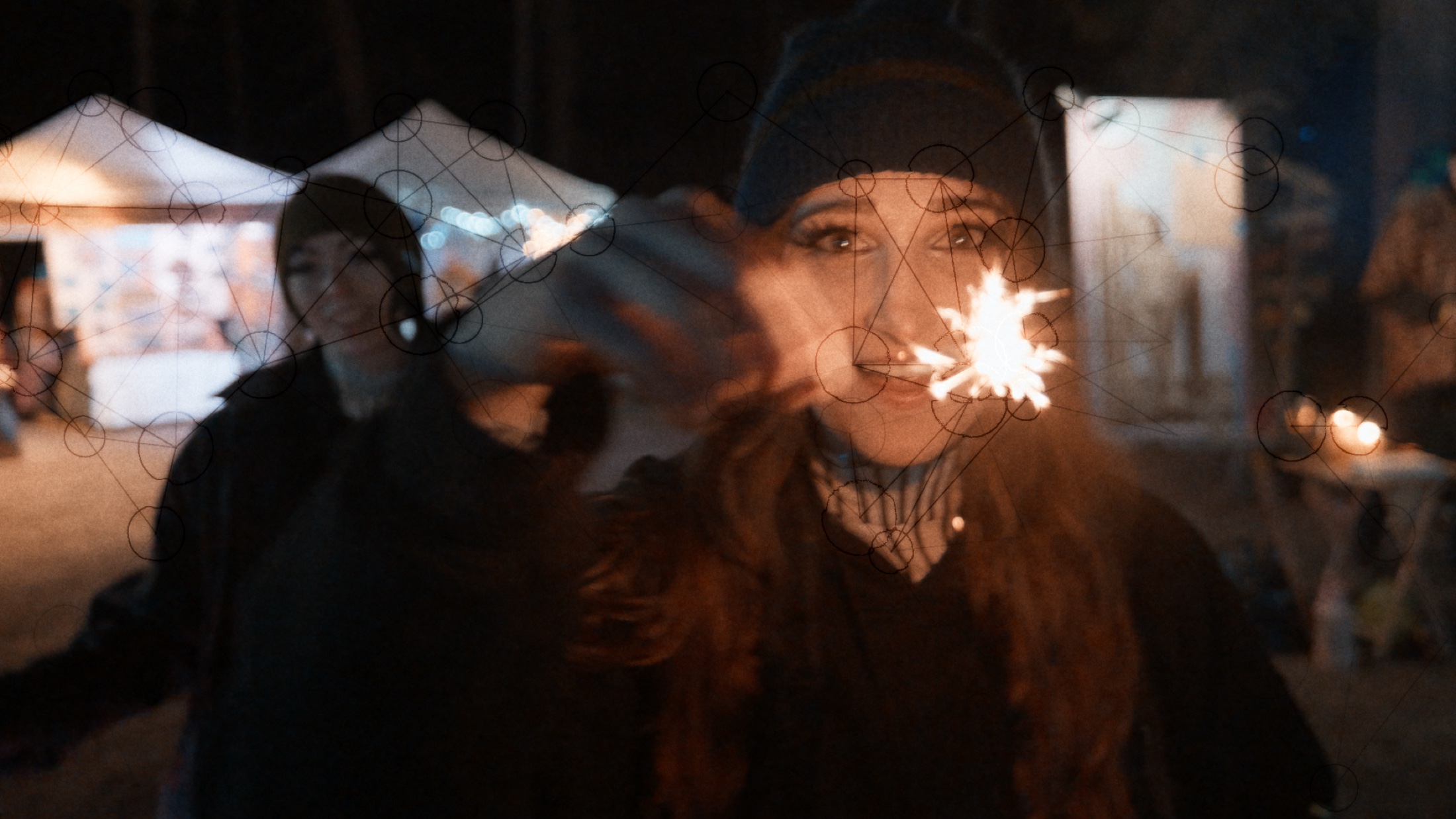
That is what makes event filmmaking a form of directing. The reality I am hired to show has to be created authentically. It means creating the conditions for people to loosen, connect, laugh, move, and let themselves be seen.
On a film set, a director has the privilege of hierarchy and formality. There is a crew, a structure, a call time, a set, and people who understand they are there to be directed.
On a dance floor, none of that exists. I cannot command people to have a good time. It all comes down to vibes.
Enter Vibe Surfing
That is why I started calling what I do vibe surfing.
I had noticed the effect before, but Shambhala was the first time I actively started treating it as a practice.
Vibe surfing is the practice of catching the energy moving through the crowd, joining it person by person, and riding each moment while it is alive.
The Practice
Like surfing, I have to catch the wave. Like dancing, I have to move with people instead of standing apart from them. I have to feel the rhythm they are already in, join it without breaking it, carry it for as long as the moment has life, then leave before it starts to collapse and keep moving so the energy continues.